Most rendered walls do not need replacing. They need the failed sections identified and dealt with properly, and the rest recoated. We sound the whole facade first so you know exactly how much of it is actually compromised before anyone quotes you a full strip and re-render.
Drummy render — where the coat has lost its bond to the brick — has to come off; there is no coating that fixes it from the outside. Cracks are raked out, bridged with flexible filler or mesh depending on width and whether the movement is live, and blended back. Salt and damp problems are traced to the source, because rendering over rising damp just moves the blowout up the wall.
Once the repairs are sound, a full recoat in acrylic or texture over the whole elevation gives you a uniform facade rather than a patchwork. That combination usually lands well under the cost of a full re-render.
Best suited to
- Drummy, cracked or blown render on an otherwise sound wall
- Storm, impact or water damage to a single elevation
- Pre-sale facade refresh on a tired rendered home
- Owners' corporations managing unit-block facade maintenance
When we'd steer you elsewhere
- Walls where the underlying moisture problem has not been fixed
- Facades where more than about half the coat has debonded — a re-render is better value
Assessment before action
When repairs & recoat is the right system
Appropriate applications
- Localised hollow, cracked, impact-damaged or weathered render
- Facades that remain mostly bonded but need a uniform maintenance recoat
- Leak or salt-damaged areas after the moisture source has been corrected
What commonly causes failure
- No mechanical key or incompatible coating beneath the render
- Building movement concentrated at openings and unplanned joints
- Water entry through failed flashings, parapets, sealants or ground levels
- Corroding beads, embedded steel or salts expanding behind the surface
Signs the wall needs attention
- A hollow note when the wall is tapped methodically
- Cracks widening, returning after filling or running from openings
- Bulges, loose edges, powdering and falling fragments
- Persistent efflorescence, damp staining, mould or blistered paint
Photos are useful for a first look, but bond, moisture and movement need to be assessed at the wall. If you can see one of these signs, send close-up and full-elevation photos with your quote request so we can advise whether an inspection is the next step.
Repair or replacement
Keep sound work. Replace failed work.
Repair makes sense when
Targeted repair is sensible where testing shows most of the original render remains firmly bonded and the moisture or movement cause can be corrected.
Replacement is safer when
Replacement is safer when debonding is widespread, repeated old patches have failed or the existing system is incompatible with the wall.
| Option | Best suited to | Main consideration |
|---|---|---|
| Fill and touch up | Stable hairline cosmetic defects | Lowest disruption; colour may remain visible |
| Cut out and re-render | Local hollow or blown sections | Restores bond back to the substrate |
| Strip and replace | Extensive debonding or incompatible render | Largest scope but avoids serial patch failure |
How we do it
The repairs & recoat process
Sound the facade
We tap out the whole wall to map the debonded areas rather than guessing from what is visible.
Cut out
Drummy sections removed back to sound edges, substrate cleaned and keyed.
Crack treatment
Cracks raked open, bridged with flexible filler or mesh, and control joints reinstated where they were rendered over.
Patch and level
New render built back to the surrounding plane and texture-matched.
Recoat
Full-elevation recoat so the repair does not read as a patch.
Technical detail
Materials, application and curing
Materials in the system
Repair materials are selected to match the existing wall: mineral or polymer repair mortar, bonding primer, flexible crack filler, reinforcement mesh, replacement beads, acrylic texture and a compatible facade membrane or paint.
Application method
We map hollow areas, saw-cut or hand-cut to firm boundaries, remove loose work, prepare the substrate and rebuild in compatible coats. Crack treatment varies from a simple routed repair to mesh reinforcement or a properly formed movement joint.
Curing and protection
Mineral patches need controlled moisture and sufficient cure before coating; polymer repairs have product-specific drying windows. Rushing the decorative coat can trap moisture and produce a visible halo around the repair.
Colour and texture matching
Texture is matched from the wall, but aged colour rarely matches from a tin alone. Repairs are carried to natural boundaries and the complete elevation can be recoated where a patch-free appearance is important.
Lifespan and maintenance
A repair lasts as long as its cause remains controlled. Properly repaired local failure can perform for many years; a cosmetic fill over live movement or continuing damp may fail within one seasonal cycle.
Practical care
- Photograph and date cracks so movement can be monitored
- Check gutters, flashings, sealants and garden levels
- Remove salts dry rather than repeatedly soaking the wall
- Arrange an inspection if pieces become loose above paths or entries
Warranty information
The written repair scope distinguishes treated defects from surrounding original render. Workmanship coverage applies to the nominated repair system; active structural movement, concealed leaks and untested adjacent coatings require separate assessment and exclusions are made clear before work starts.
A site-specific written quote is the source of truth for product, preparation, access, finish, exclusions and the warranty offered on your project.
Request a written quoteBuilt for local conditions
Melbourne walls are not all the same
Melbourne's older brick suburbs often combine historic lime work, later cement patches and several paint systems on one wall. Diagnosis matters because the strongest modern patch is not automatically the most compatible one.
View Melbourne service areasWorkmanship you can check
- Whole elevation sounded, not just the visible crack
- Cause discussed before the cosmetic treatment
- Repair mortar matched for strength and vapour behaviour
- Patch boundaries and recoat extent itemised in writing
With more than 20 years in the trade, we explain the substrate, proposed build-up and likely limitations before work starts—not after a crack or colour variation appears.
Case study
South Morang, VIC — remedial rendering & façade restoration
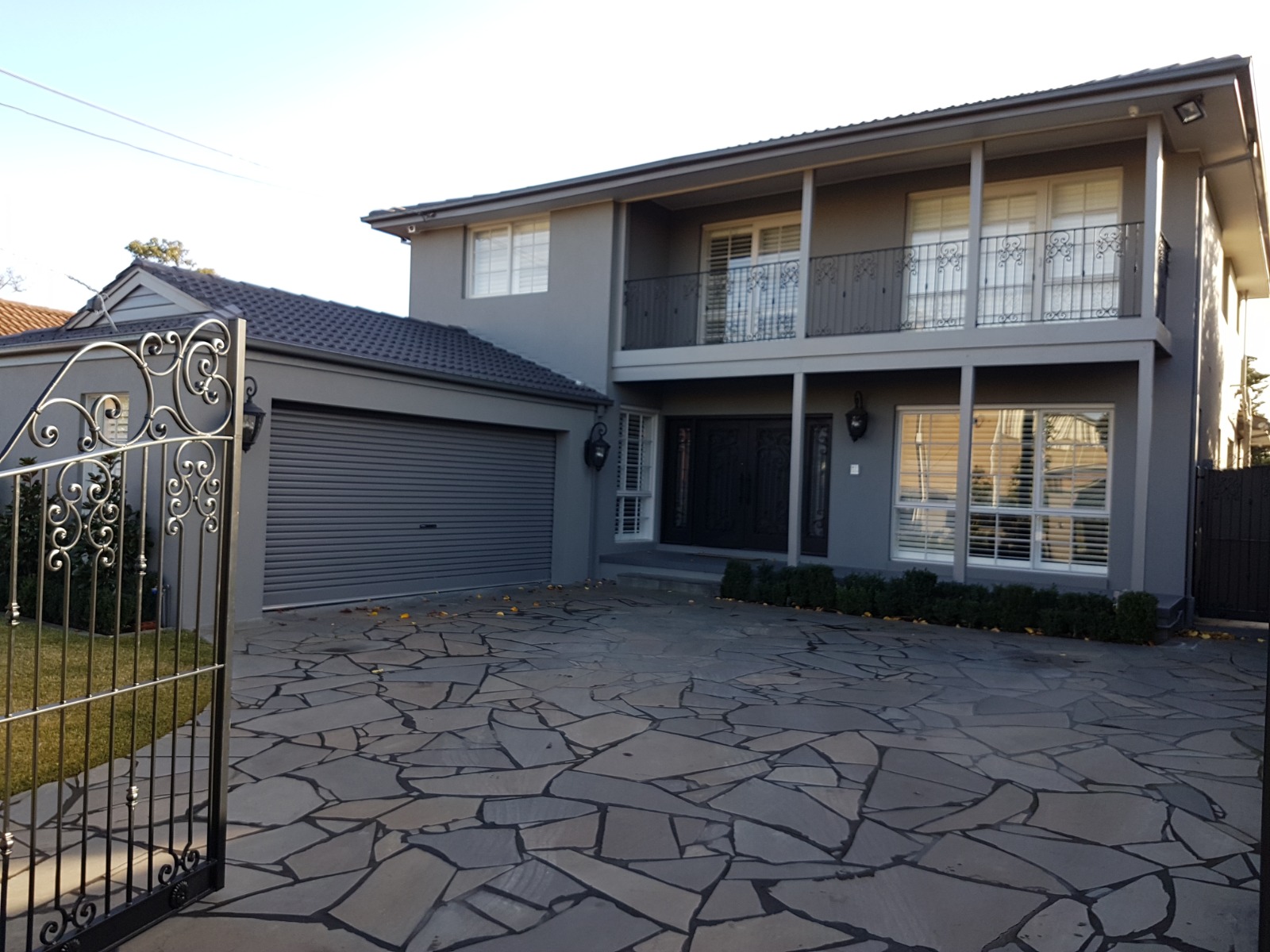
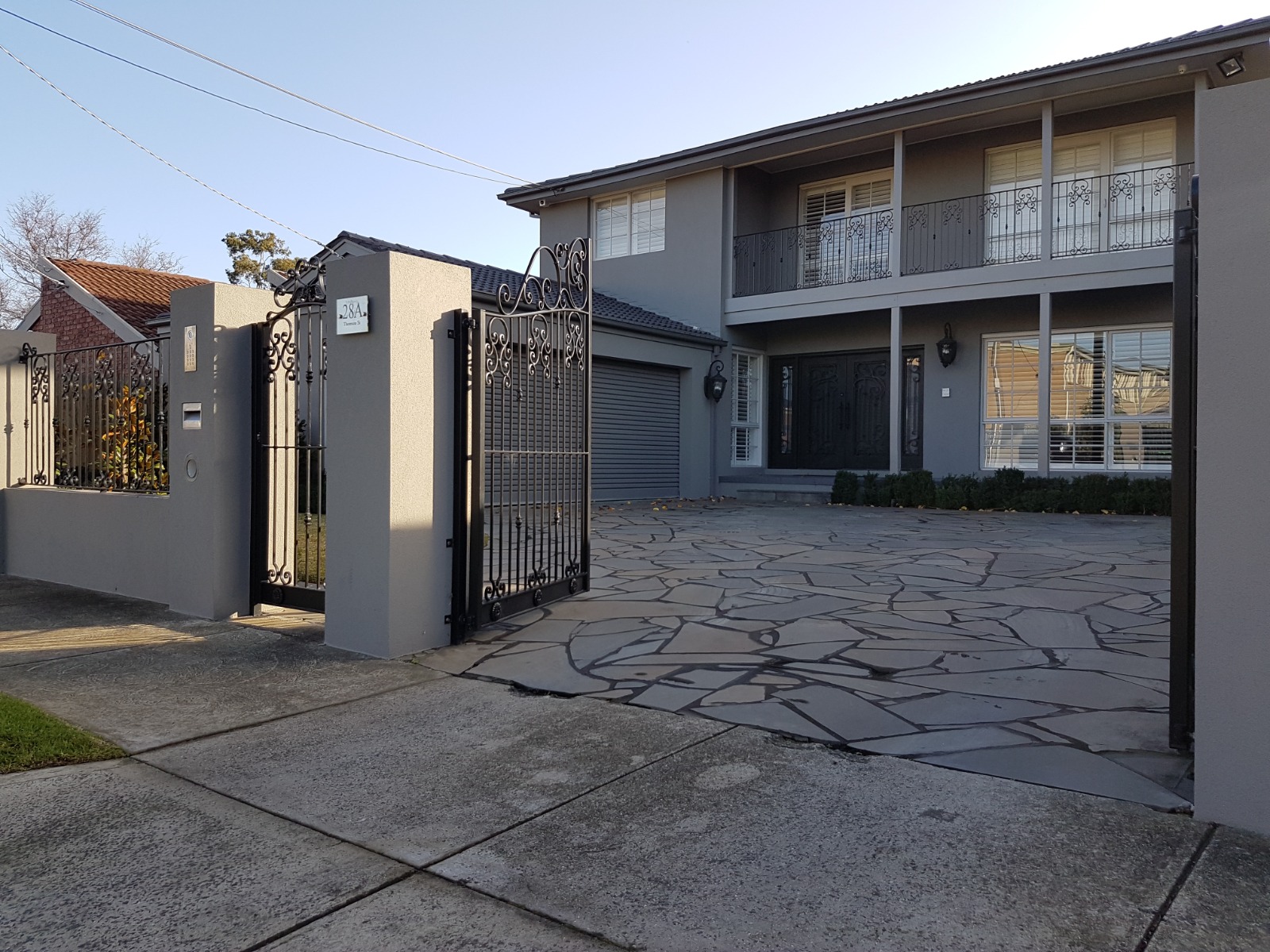
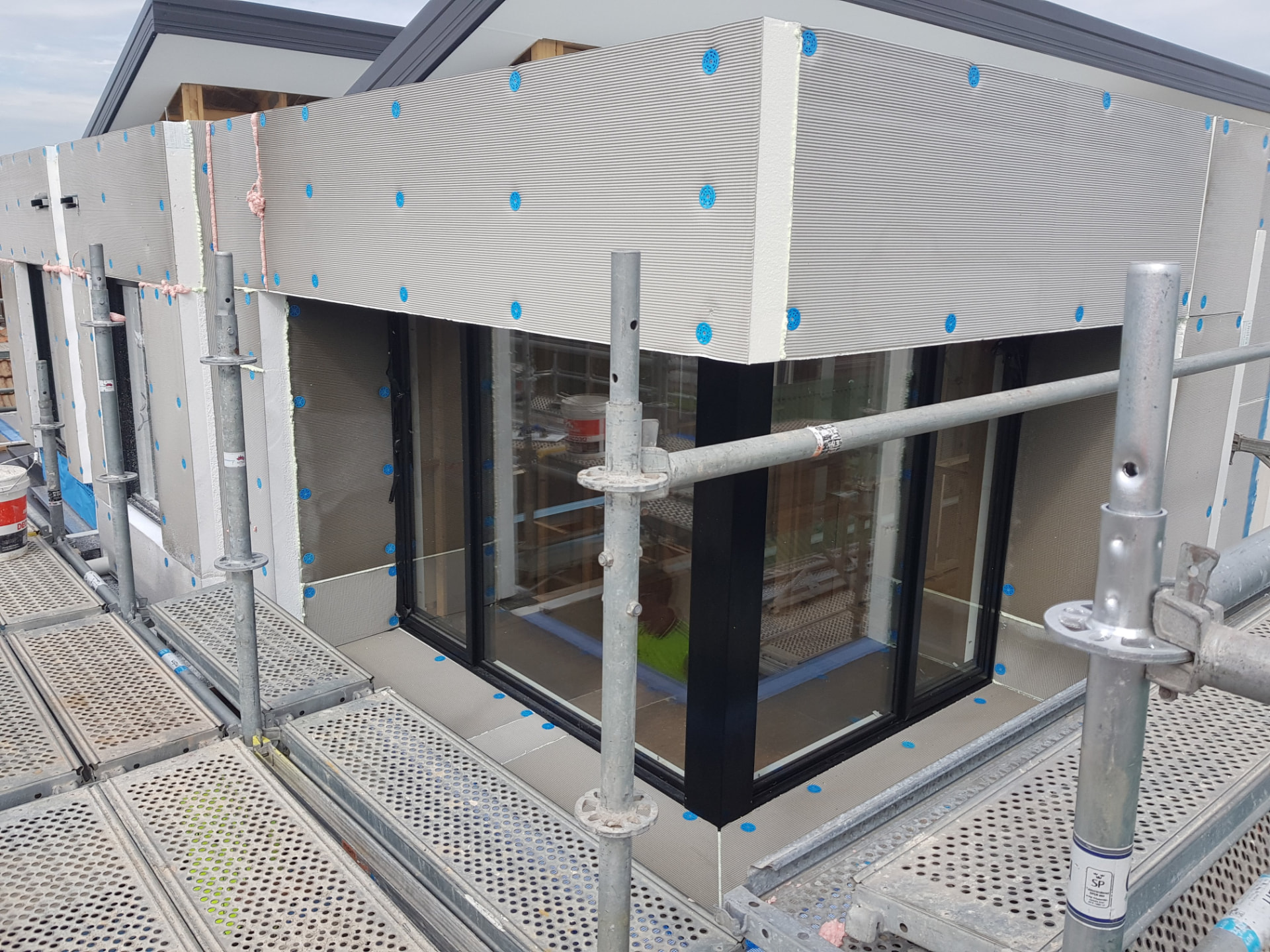
A full remedial sequence on a rendered façade: assess the bond and moisture, cut back unsound areas, prepare and reinforce, then re-render and finish the elevation.
Read the case studyCommon questions
Repairs & recoat questions
How do I know if my render needs repair or replacement?
Tap it. A hollow, drummy sound means the coat has debonded and that section has to come out. If it is isolated to patches, repair and recoat is the right call; if most of the wall sounds hollow, a re-render is better value.
Can you just fill the cracks?
Only after working out why they are there. A settlement crack that has stopped moving can be bridged and coated. A live movement crack will come back through any filler unless a control joint is introduced.
Is repairing cheaper than re-rendering?
Usually much cheaper — often a fraction of a full re-render, because the sound render stays and you are paying for targeted repair plus a recoat rather than a full strip.
How is drummy render found?
The wall is tapped in a close grid and changes in note are marked. Visual inspection alone misses debonding that has not yet cracked or bulged.
Should cracked render be repaired before selling?
Yes when the cause is understood and the repair is documented. A quick cosmetic fill may look worse when it reopens; a sound local repair and coherent recoat presents more honestly.
Other systems we apply
Sand & Cement Rendering
The traditional mix, built up in stages, keyed properly and floated dead flat.
Acrylic Rendering
Pre-coloured, polymer-modified render that flexes with the building instead of fighting it.
Texture Coating & Stucco
Rollcoat, sponge, fine sand and rough cast — matched off an existing wall so the join disappears.
Related repair services
Working out a budget? See our Melbourne rendering cost guide, or find your suburb.
Get a quote for repairs & recoat
Send through the details and a couple of photos and we will book a site visit and come back with a written itemised quote.