Texture coating is the finish layer that gives a facade its character: rollcoat for a coarse, hard-wearing surface, sponge for a soft mottled look, fine sand for a near-smooth modern finish, and rough cast where you want the render to read as heavy and traditional.
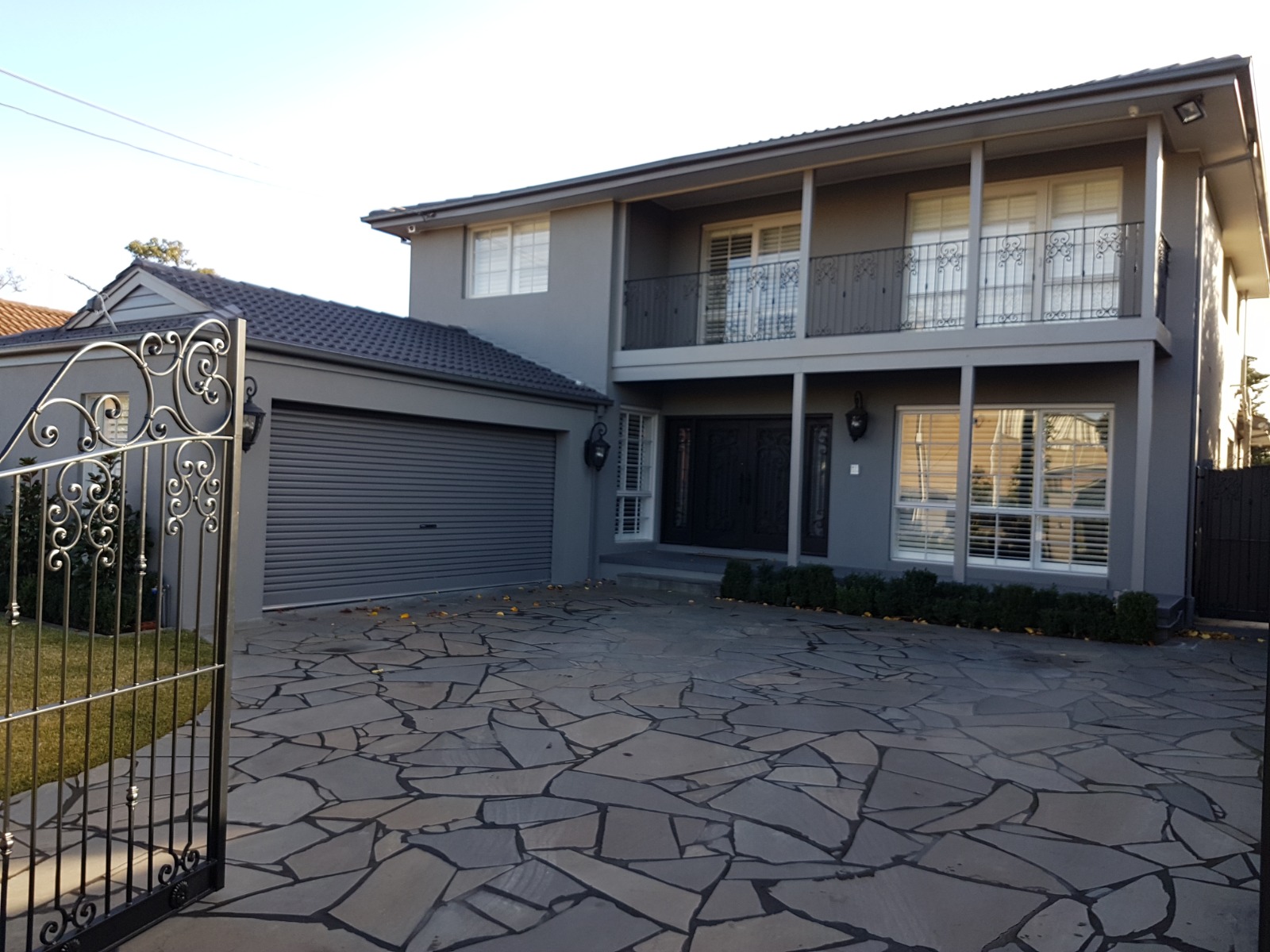
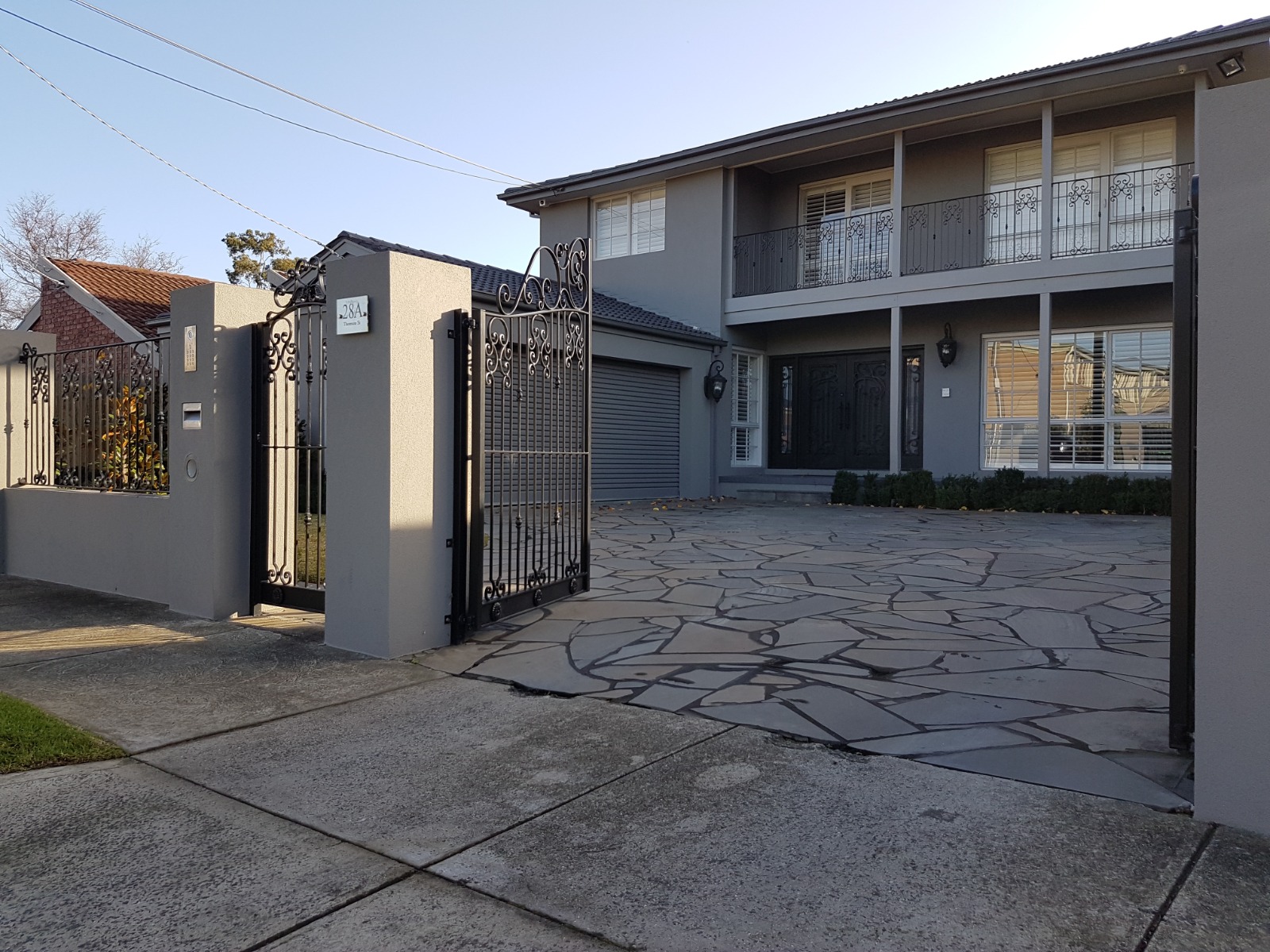
The skill is less in applying the texture than in matching it. Extensions, second-storey additions and repairs all live or die on whether the new work reads as the same wall. We take a sample off the existing surface, mix and test to it, and adjust grade and application pressure until the patch disappears at street level.
Texture coats also hide a lot of sins — minor substrate irregularity, patch repairs and old paint edges all vanish under the right grade, which makes it the practical choice on older walls that will never be perfectly flat.
Best suited to
- Matching an extension into an existing rendered facade
- Hiding minor substrate irregularity on older walls
- Facades where a flat finish would show every imperfection
- Commercial and unit developments wanting a durable surface
When we'd steer you elsewhere
- Clients who want a genuinely flat, seamless modern finish
- Walls with active movement that have not been jointed
Assessment before action
When texture coating is the right system
Appropriate applications
- New facades needing a consistent architectural finish
- Extensions and repairs that must blend with an established texture
- Sound but visually uneven walls where a completely smooth finish would highlight every variation
What commonly causes failure
- Uneven primer coverage or substrate suction
- Stopping in the middle of an elevation and losing the wet edge
- Applying the wrong grade or inconsistent roller and trowel pressure
- Coating over live cracks, damp render or uncured cement base
Signs the wall needs attention
- Visible lap marks, colour bands or glossy patches
- Cracks that mirror masonry or sheet joints
- Peeling around sills, wall tops and penetrations
- Impact damage with exposed base coat
Photos are useful for a first look, but bond, moisture and movement need to be assessed at the wall. If you can see one of these signs, send close-up and full-elevation photos with your quote request so we can advise whether an inspection is the next step.
Repair or replacement
Keep sound work. Replace failed work.
Repair makes sense when
Small chips and stable cracks can be rebuilt and texture-matched, ideally finishing at a corner, joint or downpipe.
Replacement is safer when
A full strip is reserved for widespread adhesion failure. If the texture is sound but tired, cleaning, repairs and a compatible recoat are normally sufficient.
| Option | Best suited to | Main consideration |
|---|---|---|
| Fine sand | Contemporary facades and crisp detailing | Shows substrate variation more readily |
| Sponge / stucco | Residential and period character | Hand pattern must be matched by a skilled applicator |
| Rollcoat / coarse | Hard-wearing walls and visual coverage | Pronounced profile collects more airborne dirt |
How we do it
The texture coating process
Texture match
We read the existing texture off the wall and prepare test samples before committing to the facade.
Base preparation
Substrate patched, primed and made sound so the texture sits on an even suction.
Application
Rolled, sponged, sprayed or thrown depending on the grade, worked wet-edge across each elevation.
Blending
Joins carried to natural break lines — corners, downpipes, control joints — never stopped mid-wall.
Seal or top coat
Sealed or membrane-coated where exposure demands it.
Technical detail
Materials, application and curing
Materials in the system
Substrate-specific primer, patch and levelling compounds, polymer base render where required, graded acrylic texture in fine, medium or coarse profiles, masking materials and an optional protective membrane.
Application method
Texture may be rolled, trowelled, sponged, sprayed or cast. Sample panels establish grain and hand pattern, then each wall is completed wet-on-wet to a natural break so joins do not flash in side light.
Curing and protection
Fresh texture must remain free from rain, dew and dust until it has formed a stable film. Cool shaded walls take longer than sunny elevations; membrane or sealer coats are only added inside the manufacturer's stated window.
Colour and texture matching
We match colour and aggregate profile separately. A spectrophotometer reference can guide colour, but the final check is a cured sample viewed on the building in sun and shade. Weathered walls generally need an elevation-wide recoat for a seamless result.
Lifespan and maintenance
Quality acrylic texture commonly performs for 15–25 years, with a maintenance membrane or recoat often due earlier on harsh west-facing elevations. Heavy profiles disguise wear longer but still rely on sound detailing.
Practical care
- Soft-wash dirt rather than using a close pressure nozzle
- Trim vegetation away from the facade
- Renew failed sealant at windows and penetrations
- Keep spare product details or colour references for later repairs
Warranty information
A texture warranty covers the installed coating system described in the quote, not cracking caused by structural movement or water entering behind it. Manufacturer-backed periods apply only where the complete approved build-up and documented conditions are satisfied.
A site-specific written quote is the source of truth for product, preparation, access, finish, exclusions and the warranty offered on your project.
Request a written quoteBuilt for local conditions
Melbourne walls are not all the same
Low winter sun and strong raking light make lap marks obvious on Melbourne streetscapes. We plan natural stopping points and work around weather windows rather than breaking a prominent elevation halfway through.
View Melbourne service areasWorkmanship you can check
- Cured sample approved before the main elevation
- Wall completed to corners or control joints without dry joins
- Texture grade and application method recorded
- Surrounding windows, paving and landscaping fully masked
With more than 20 years in the trade, we explain the substrate, proposed build-up and likely limitations before work starts—not after a crack or colour variation appears.
Common questions
Texture coating questions
Can you match the texture on my existing render?
In almost every case, yes. We sample the wall, test-mix to it and adjust the grade and pressure until the new work disappears into the old at normal viewing distance.
What is the difference between rollcoat and sponge finish?
Rollcoat is applied with a roller and leaves a coarse, even, hard-wearing surface. Sponge is worked by hand and gives a softer, slightly mottled look that suits period and residential facades.
Does texture coating need painting?
No — the products we use are pre-coloured through the coat. Painting a texture coat later is possible but it fills the profile and softens the texture.
Can a smooth wall be changed to a textured finish?
Usually, provided the existing surface is sound and compatible. It is cleaned, adhesion-tested, primed and levelled before the selected texture is sampled and applied.
Will texture hide cracks?
It can soften minor visual irregularities, but it should never be used to conceal active cracking. Cracks and joints need the correct treatment before the finish coat.
Other systems we apply
Acrylic Rendering
Pre-coloured, polymer-modified render that flexes with the building instead of fighting it.
Sand & Cement Rendering
The traditional mix, built up in stages, keyed properly and floated dead flat.
Heritage & Lime Render
Breathable lime coats for solid-brick period homes, where modern sealed render traps moisture and blows the masonry apart from inside.
Related repair services
Working out a budget? See our Melbourne rendering cost guide, or find your suburb.
Get a quote for texture coating
Send through the details and a couple of photos and we will book a site visit and come back with a written itemised quote.